Watch the idea, not the lecture.
Short narrated videos where the diagram builds while it is explained, mapped topic by topic across the JEE and NEET syllabus.
No card. The rest of each topic is ₹999 a year.
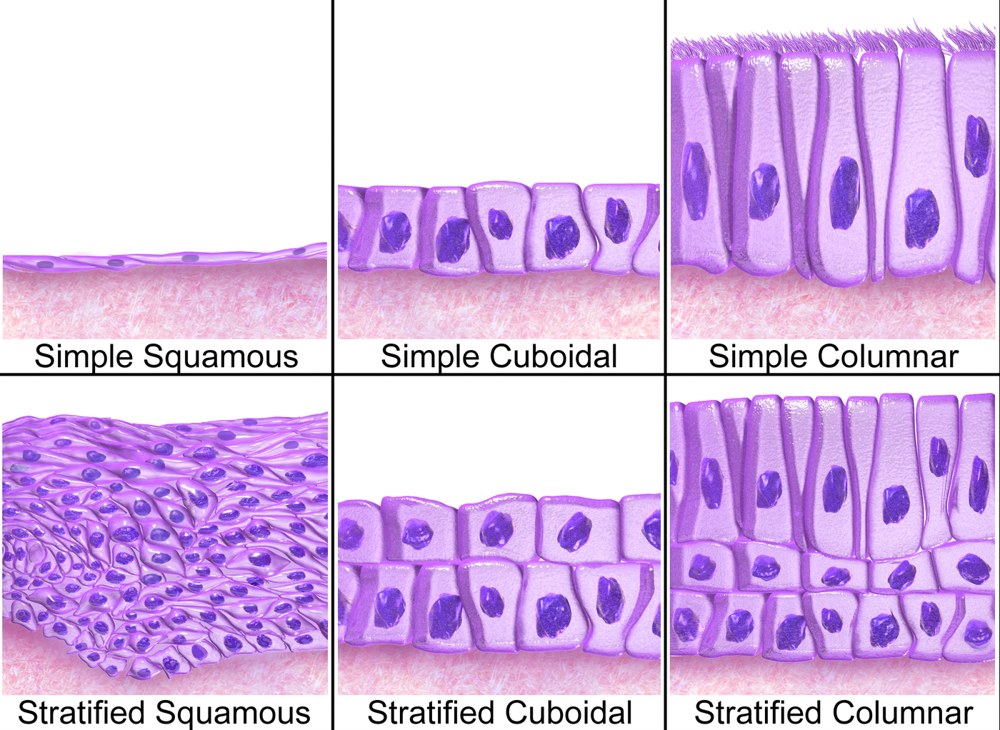 BiologyReal figures, labelled as the voice names each part
When the idea moves, the picture moves.
Real animation, made to show the concept, not to decorate it.
Computed, not hand-drawn
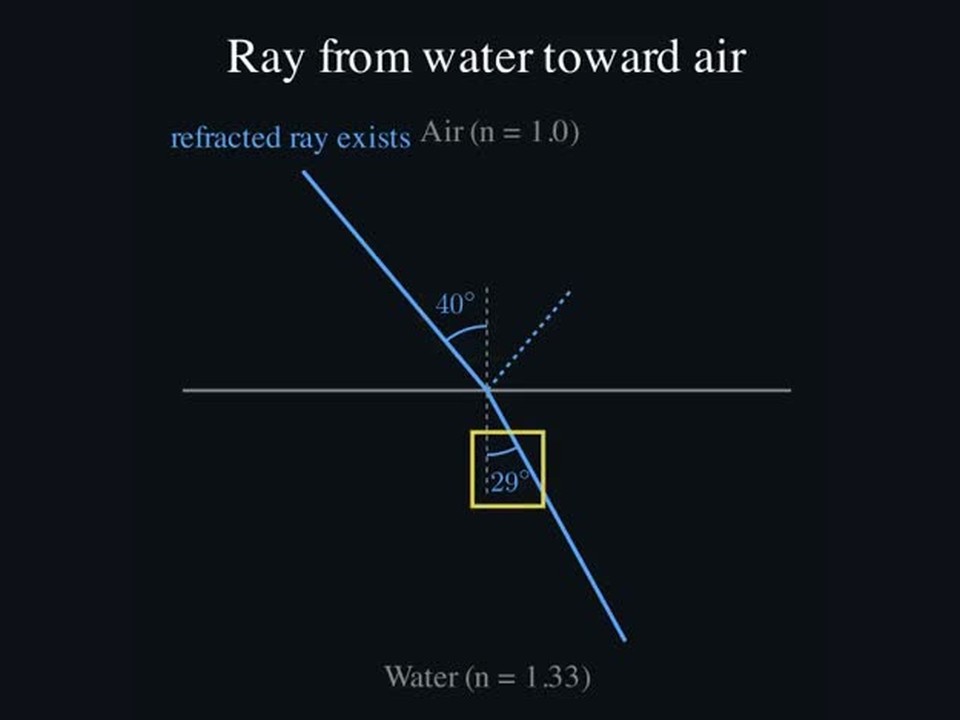
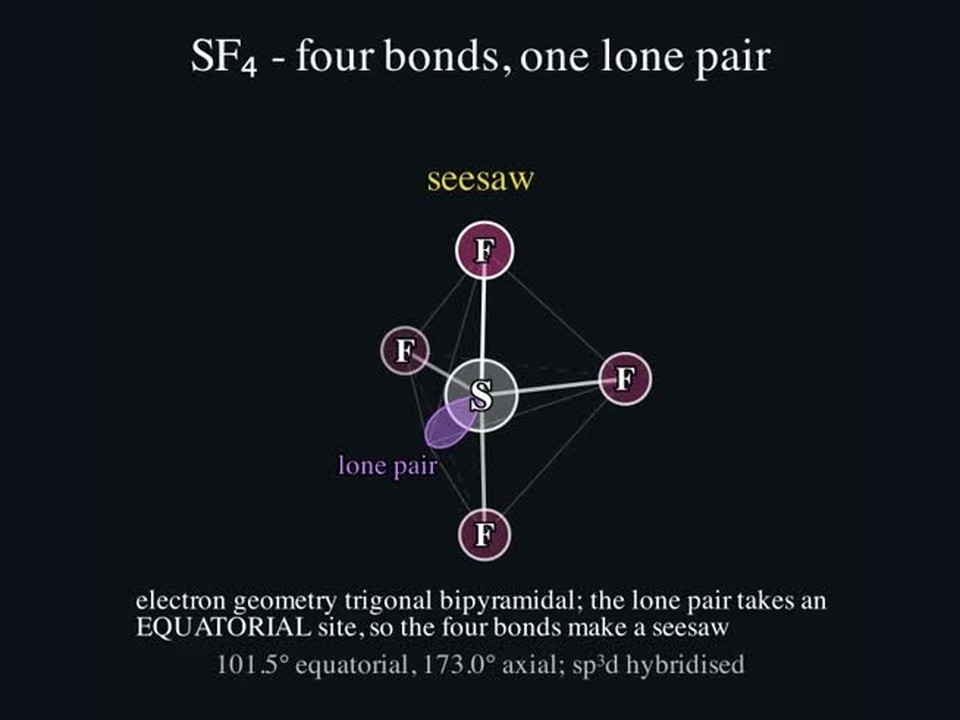
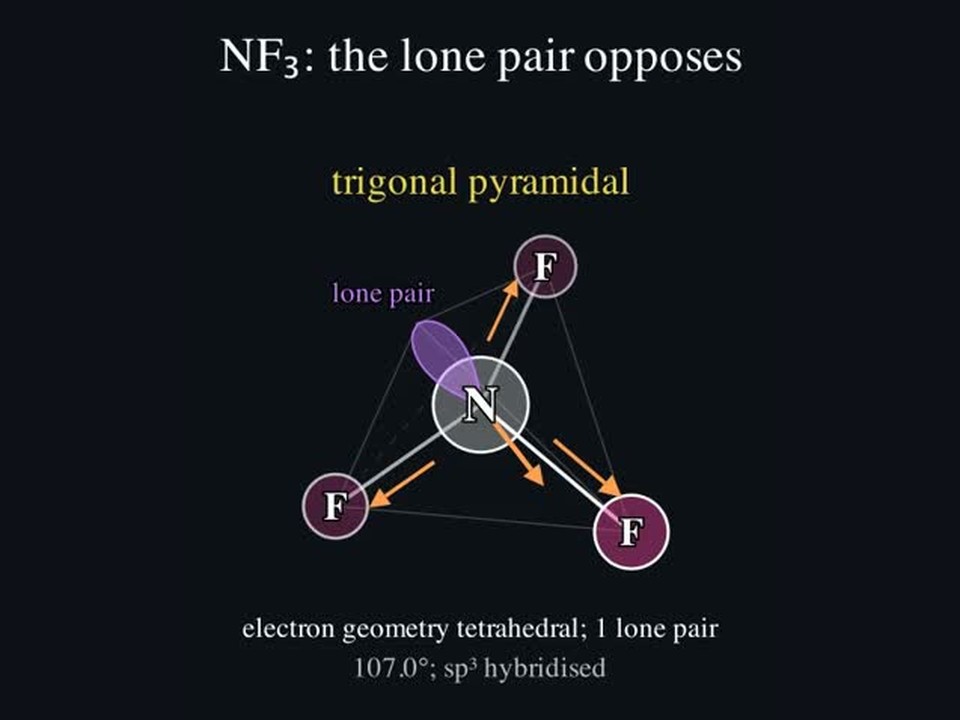
The ray obeys Snell’s law at every angle. The rectangles really do narrow toward the integral. Bond angles come from VSEPR. Change the science and the picture changes with it.
See it happen
Sweep the angle of incidence and the deviation falls, bottoms out, then rises again. You watch minimum deviation instead of memorising it.
Timed to the voice
Each part is drawn as the narration names it, so your eyes are where the explanation is.
Built so the picture and the words say the same thing.
Diagrams, not a talking head
Nobody is filmed. Each video draws the idea as the narration explains it, so what you see is the thing being described.
Your exam, not a generic one
The same concept, 3 ways: Foundation, NEET, JEE. Different depth, different terms, different worked examples.
Small on purpose
Revising twice costs you almost nothing.
Every subject, drawn as it is explained.
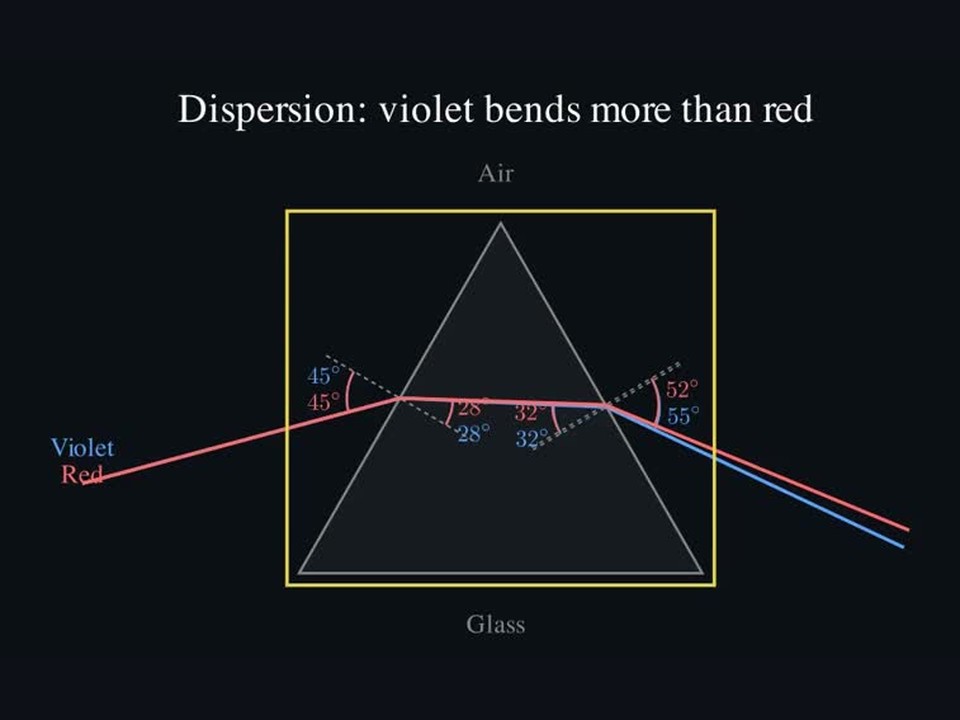
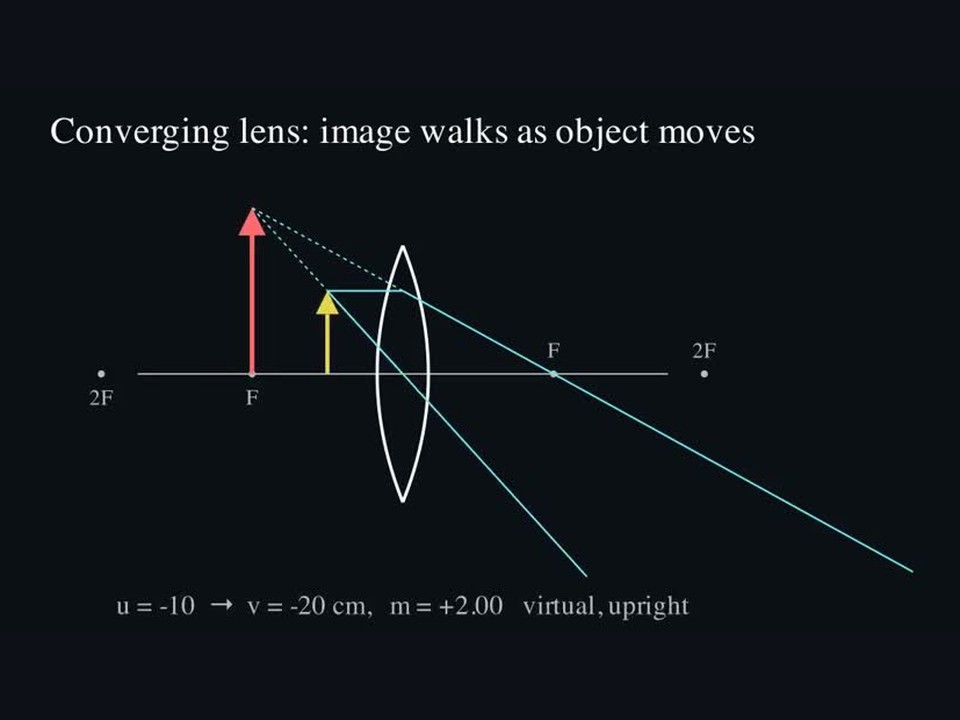
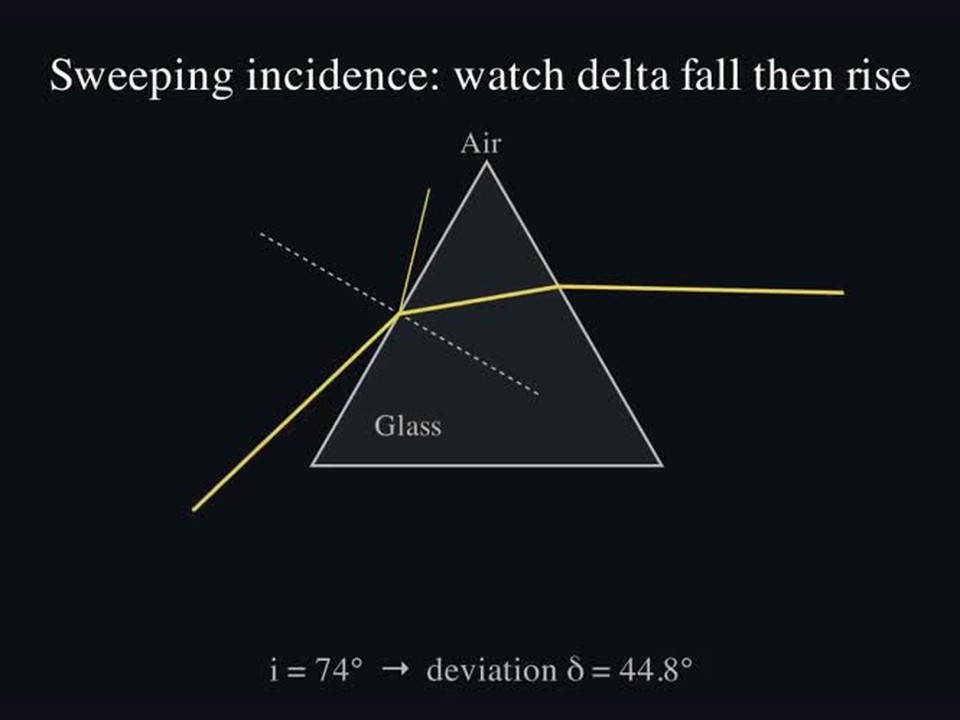
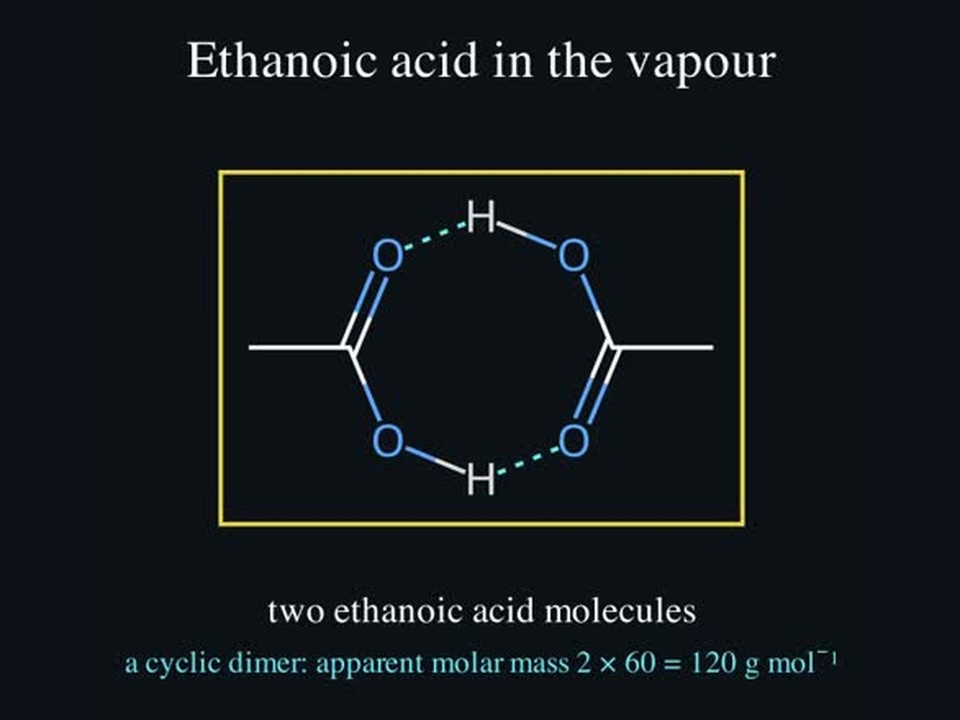
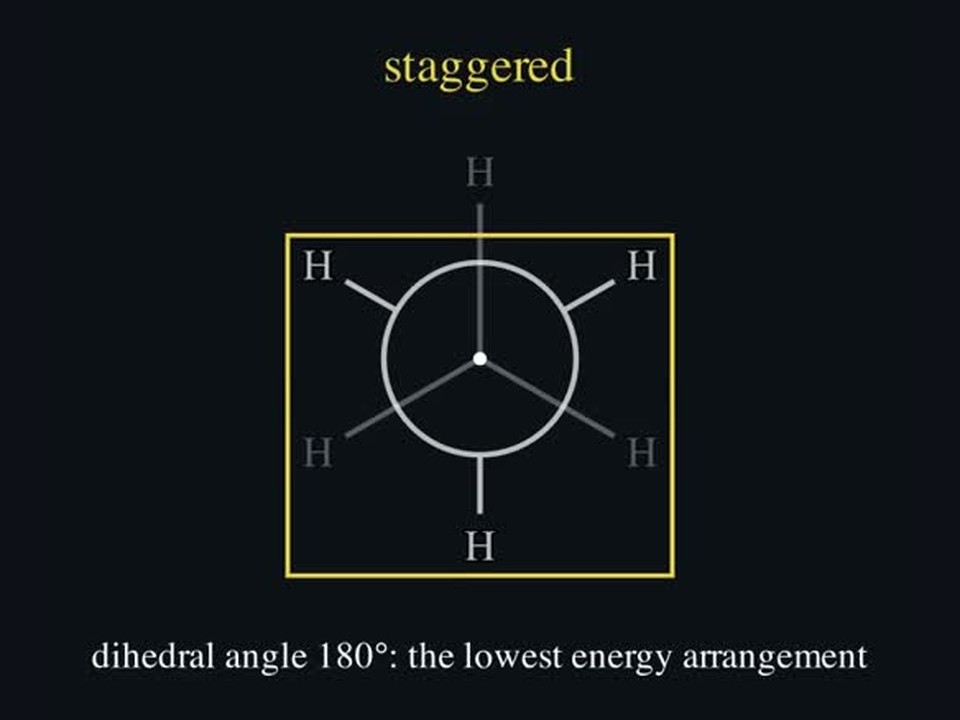
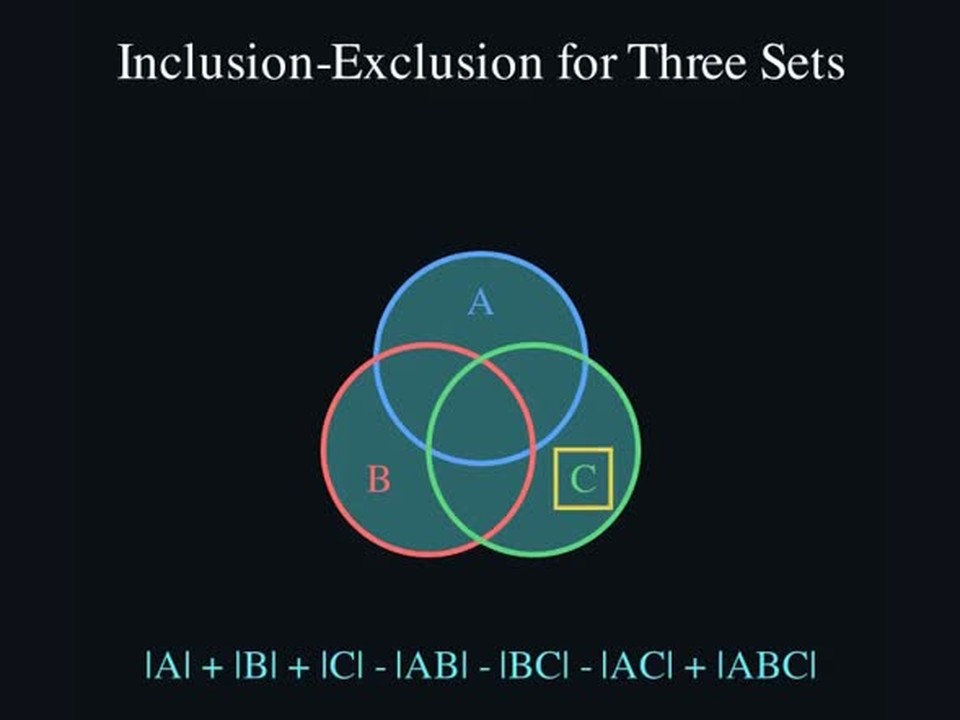
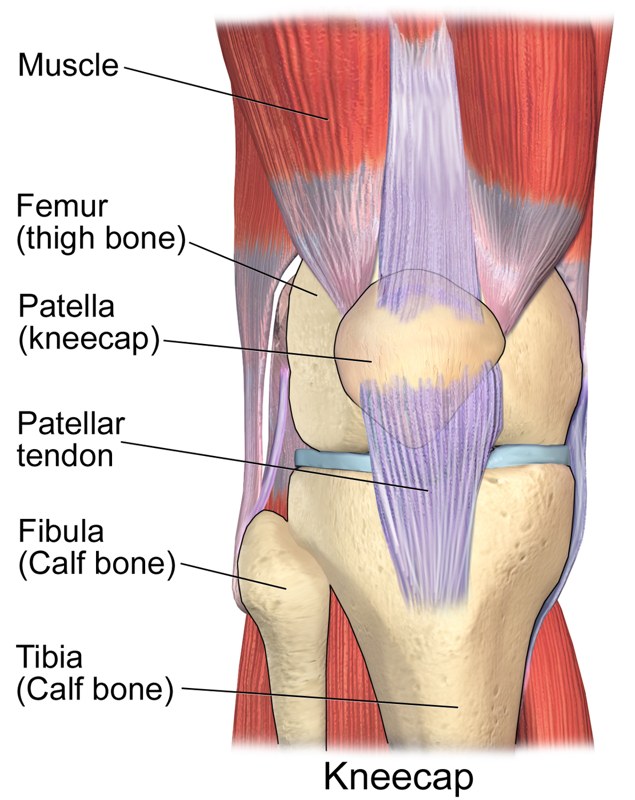
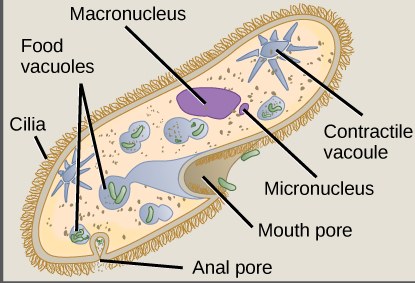
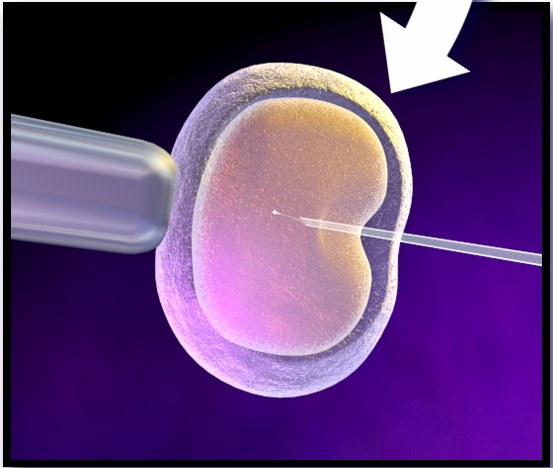
Biology figures: Blausen.com staff (2014), Medical gallery of Blausen Medical 2014, WikiJournal of Medicine, CC BY 3.0; OpenStax, Biology 2e, CC BY 4.0. Via Wikimedia Commons. Physics, chemistry and mathematics are drawn and animated by Chalklet.
One picture, drawn as it is explained, ending on the exam’s own question.
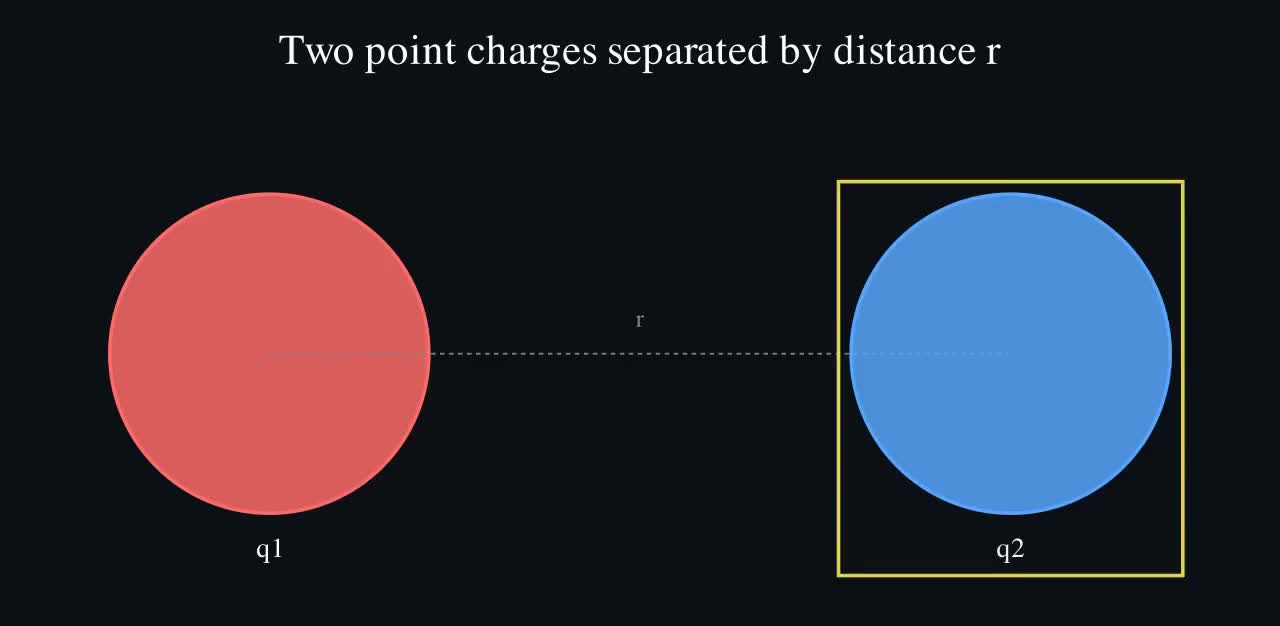
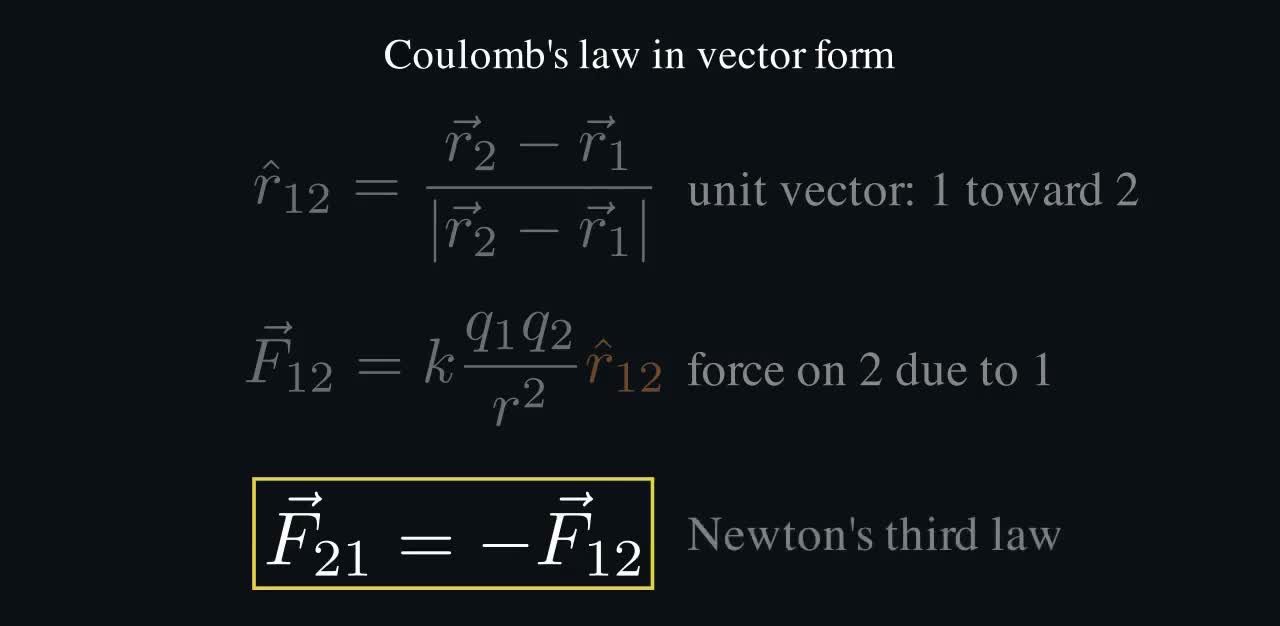
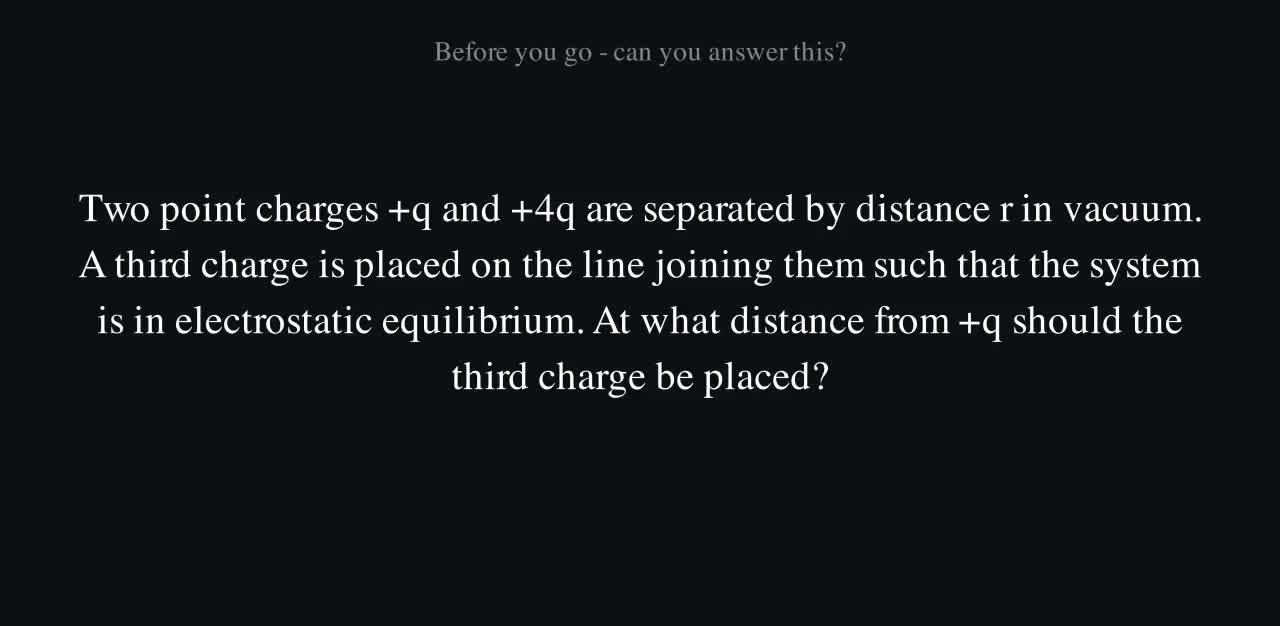
What is live today
We would rather show you the real state of the library than a number that flatters it.
Start free. Stay if it helps.
- The first 5 concepts of every topic
- Free for good, not a trial
- No card needed
- Every concept in every topic
- Pitched at your exam: Foundation, NEET or JEE
- New videos as they are added
Questions you should ask
Is this made by AI?
Yes. The explanations, diagrams, narration and questions are generated with AI and reviewed before they are published. We say so on the front page rather than in the small print, because it is why one small team can cover a syllabus in several languages — and because you should know what you are watching. It also means errors are possible: if something contradicts your textbook, trust the textbook and tell us.
What does it cost?
The first 5 concepts of every topic are free, for good, with an account. Everything past that is ₹999 for 365 days — every video in the library. Payment is by UPI and confirmed by a person, usually the same day, because at our size a payment gateway would cost more than it saves.
Is the whole syllabus there?
No, and the numbers above say exactly how much is. Videos are added topic by topic in teaching order. If a concept has no video yet, the page says so rather than pretending otherwise.
How does the language option work?
Every video is narrated in English today. The diagram is drawn once and does not depend on the language, so a second voice can be added to a video without remaking it — and where one exists, its page offers the switch: the diagram carries on, and you come back to the same point in the explanation, not the same second on the clock.
Do I need to install an app?
No. It runs in your browser on a phone or a laptop. The videos are small on purpose, so they play on ordinary mobile data.